Nouns Are My Kryptonite
Memory, language, and the strange way my brain works.

A disclaimer before we begin: this essay cannot be used as evidence in any proceeding to place me in a home. It is fiction. I think.
I have never been able to remember nouns.
Not names. Not objects. Not the word for the thing you stir the soup with, the wooden thing, the flat one with the hole in it. The–you know. That.
This is not new. I did not wake up one morning at sixty and discover my brain had started shedding vocabulary like, as Mama used to say, a dog in August.
No. I came out of the womb this way. By the time I started grade school in East Texas, I had given up learning classmates’ names entirely. Faces I could remember, but I saw no reason to attach words to them. Maybe because the people I grew up with had names like Doodlebug, Bubba, Booger, and Dimples.
By the time I got around to attaching a name to a face, those faces often floated right out of my life. Nobody stayed put long enough to even bother.
I learned to work around it. “Hey, you.” “Girl with the red–” “That boy from–”. Context filled the gaps. Nobody seemed to notice.
Then, I became a teacher, and the chickens came home to roost.
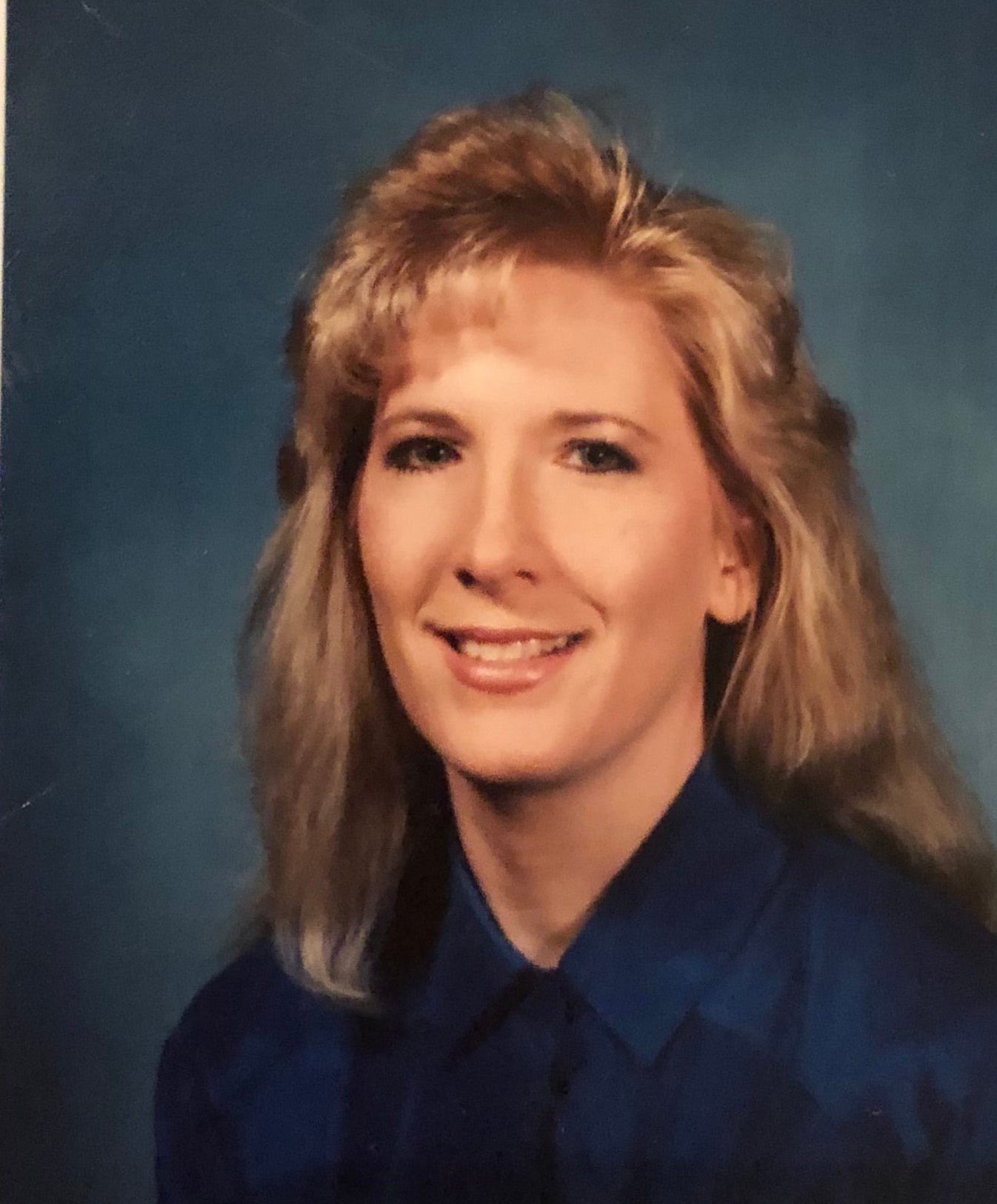

I have a policy about new teachers at my school. Actually, this is a policy about everyone I meet. I will not attempt to learn their names for two years. This is not rudeness. It is efficiency.
I’m from rural East Texas. The schools there have so much teacher turnover it’s as if the front door were a hotel turnstile. Teachers come in August full of idealism and leave by Christmas for something that pays better, which is to say anything else.
Why commit a name to memory when the face attached to it will be gone before the bluebonnets come up?
My students figured out my problem about thirty seconds into the first week of school every year. I would be mid-lecture, sailing along, when I’d hit a noun and go sideways.
“Open your–open your–” I would stop. Wave a hand. “That thing. You know. It’s right there.” I’d point at it, and they’d all turn and look behind them. “No. The red one.”
And then the word salad game breaks out.
“Apple!”
“Dodgeball!”
“Stop sign!”
“Fire truck!”
By the time they finished hollering, I would have found it. “The Scarlet Letter. Get it out. Start reading.”
The honest truth is I never had any trouble with words that actually mattered to me. Shakespeare, I still have it down cold. You could wake me up in the morning and I could give you Hamlet’s soliloquy and the subtext under it. Tests came easy. Writing came easy. Abstract thought is ridiculously easy for me.
My brain had no trouble with ideas. I had trouble with the names of things.
Nouns are my kryptonite.
And yes, I’m aware that kryptonite is itself a noun, and I only remember it because Superman is not a real person and I have never had to learn his name at a faculty meeting.
I had neighbors who lived next door to me for thirty years. I called them “the neighbors.” They were actually my husband’s parents.
Even my three children are not immune to this. No matter who I’m talking to, I will call them by all of their names. I’ve known these folks for years. I have physical evidence that I gave birth to them, but still I struggle with the right name. I’ve even called them by the dog’s name.
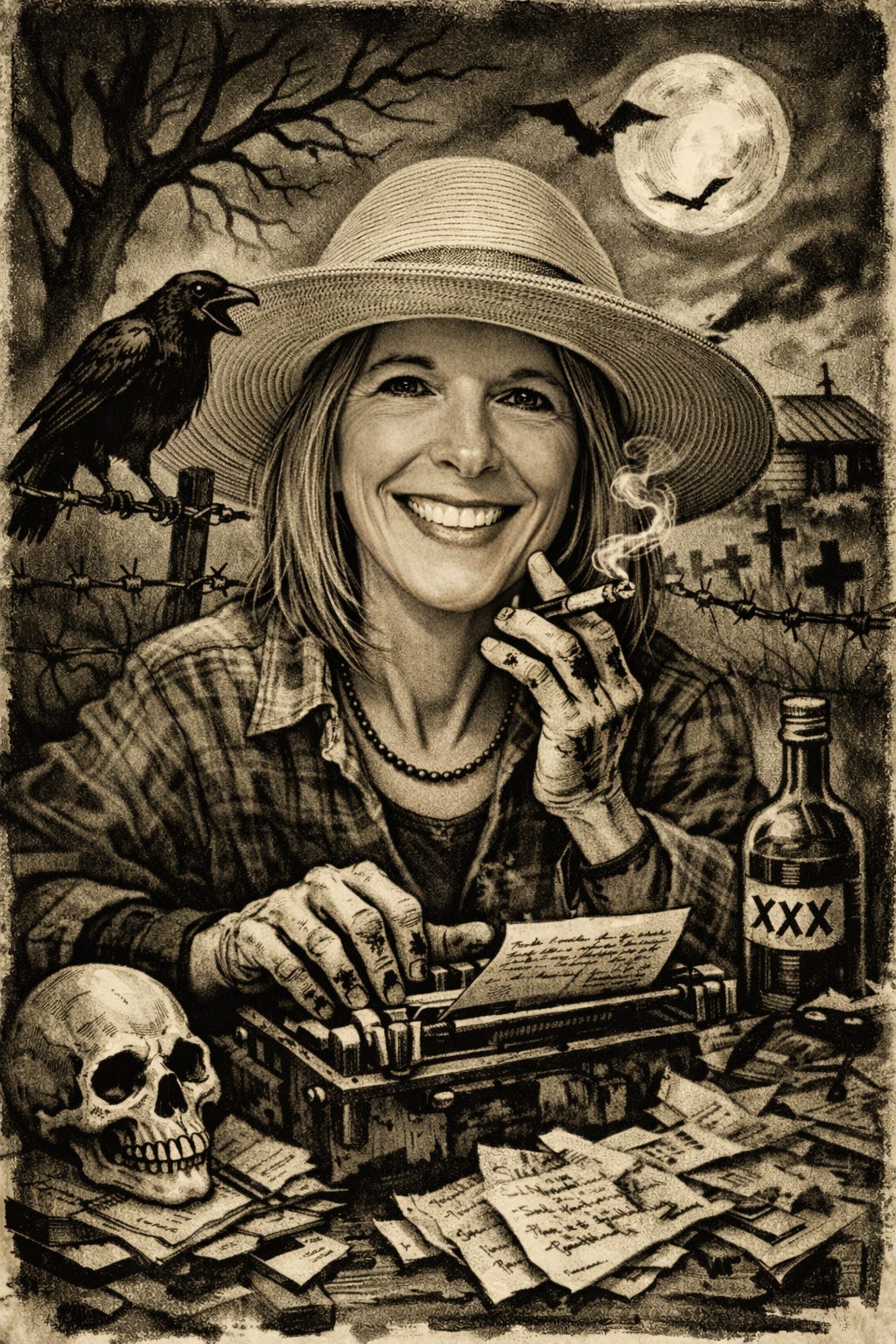
At sixty, I stopped pretending to care. This was a relief. Now, when I lose a noun mid-sentence, I just stop and look at whoever is nearby, and they fill it in. It works like a relay race. I hand off the baton and someone else crosses the finish line.
The strange part, the part I cannot explain and neither could my doctor, is that none of this happens when I write. Sit me in front of a keyboard and every word shows up on time. No fumbling. No blank spaces. The nouns are right there, locked and loaded, like they’ve been waiting their whole lives to be useful.
Another strange thing. I do not dream in pictures or film reels. No flashes of color the way other people describe it.
I dream in typewritten letters. My dreams are delivered to me like books–sentences running across the dark in clean black type, and I read them like I’m reading a novel about my own life. Then, pictures will form in my head.
Typewritten words are the only native language my brain speaks fluently.
I mentioned this all to my doctor once. He looked in my mouth, my ears, knocked my knees, made me write something on a pad, and thought it over.
“Were you dropped on your head as a child?” he asked.
“I can’t rule it out,” I said.
He said that tracked. He said if it had started suddenly, or if I couldn’t write, he’d be concerned. But since it had been like this for as long as I could remember, and since I could produce coherent sentences on a page with no apparent difficulty, he was not worried about it.
I asked him what he called it.
“A personality quirk,” he said.
I asked if there was a pill for it.
“No.”
So here we are. I have a personality quirk. A noun tic. A classroom of students who know my limitations and exploit them lovingly, neighbors whose names I am not going to learn, and a brain that works perfectly fine as long as nobody asks it to do anything as pedestrian as recall what that thing is. You know. The flat thing. For pancakes.
I’ll get there.
–Carol