Ode to the Penny
A eulogy for the smallest thing America was too busy to keep.

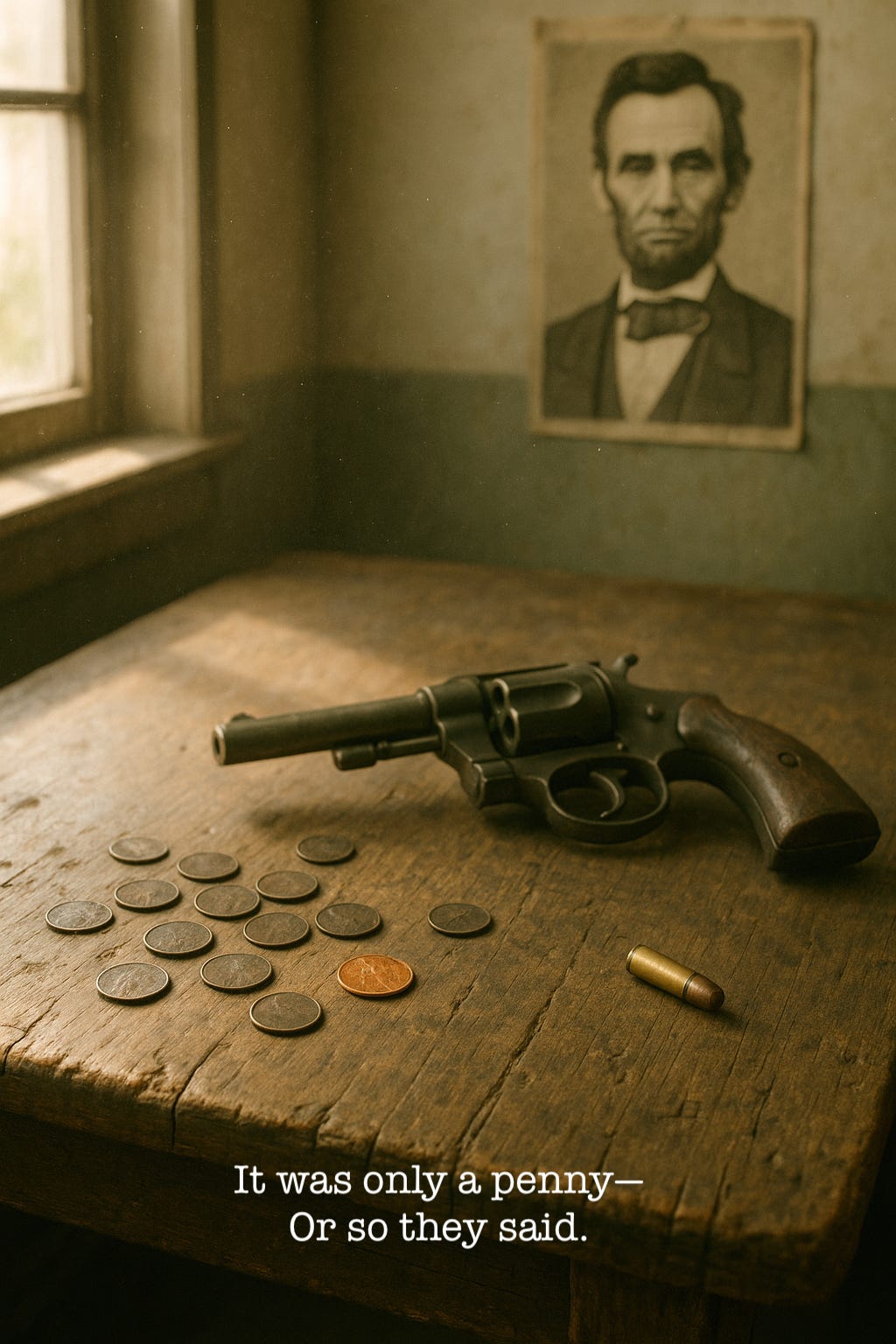
Note: Read in the voice of Dateline’s Keith Morrison

Well now…
It was just a penny.

Born in 1787 and designed by Benjamin Franklin with a sense of humor.
He called it the Fugio cent.
Stamped it with a sundial and a warning: "Mind your business."

Maybe we should have.

Once shiny, now fading brown like age spots.
Forgotten in junk drawers,
kicked under gas station counters,

left sweating on the car dashboards in August heat.

Insignificant, they said.
Not worth the trouble.
Certainly not worth the bend at the hip to pick it up.

And yet...
Funny thing about the smallest things--
They tend to carry the heaviest stories.

For more than a century, it bore the face of Abraham Lincoln--
a man who knew something about bullets,
and belief,
and how swiftly this country removes what once symbolized its
better self.

Then one day, the whispers started.

"Too much to mint."
"Not useful anymore."
"Time to move on."

And just like that...
the oldest coin in America, gone green-gray with age,
was led quietly out the back door.

Was it retirement?
A simple accounting decision?
Or something...darker?

They called it efficiency.

But this--
This felt like a body disappearing.

A quiet execution.
A copper cheek pressed to the earth,
a promise...unkept.

And poor Honest Abe,
watching from his little stamped face,
as if to say,
"I've seen this done before. And not just to coins."

So what do you call it
when a nation decides the smallest reminder of its better angels
is just too inconvenient to keep around?

Too heavy a burden.
Too small in value.
Too...visible.

A coin doesn't just vanish.
Not after a century of riding shotgun in lunch pails,
piggy banks, Bible offering plates,
gas station ashtrays,
and the pockets of men who bent their backs for every cent they touched.

No--someone decided.

A man who measures worth in glitter and applause
declared the copper too costly to keep.
Math mixed with memory is a dangerous ledger.

So here we stand,
all of us,
looking at the emptiness where a humble coin once rattled and shone.

Was it simply economics?
A bureaucratic decision?
A harmless housekeeping of currency?

Or maybe something quieter--
a mercy killing for what no longer thrives.
And when the question settles like dust:
When do we become a line item?

When the ledgers show we take more than we give?
When it's too costly to keep the aged alive?
When we lose our shine?
Our worth?
Our place in the till?

The penny was always a little too human for comfort.
Born bright, it aged right in front of us.
And we looked away.
We always look away.
Because in America, things that lose their shine don't get polished.

They get priced out.
They get replaced.
And when they're gone--
no one wants to ask who decided they should disappear.

So the last brown coin goes missing.
And nobody bends to pick it up.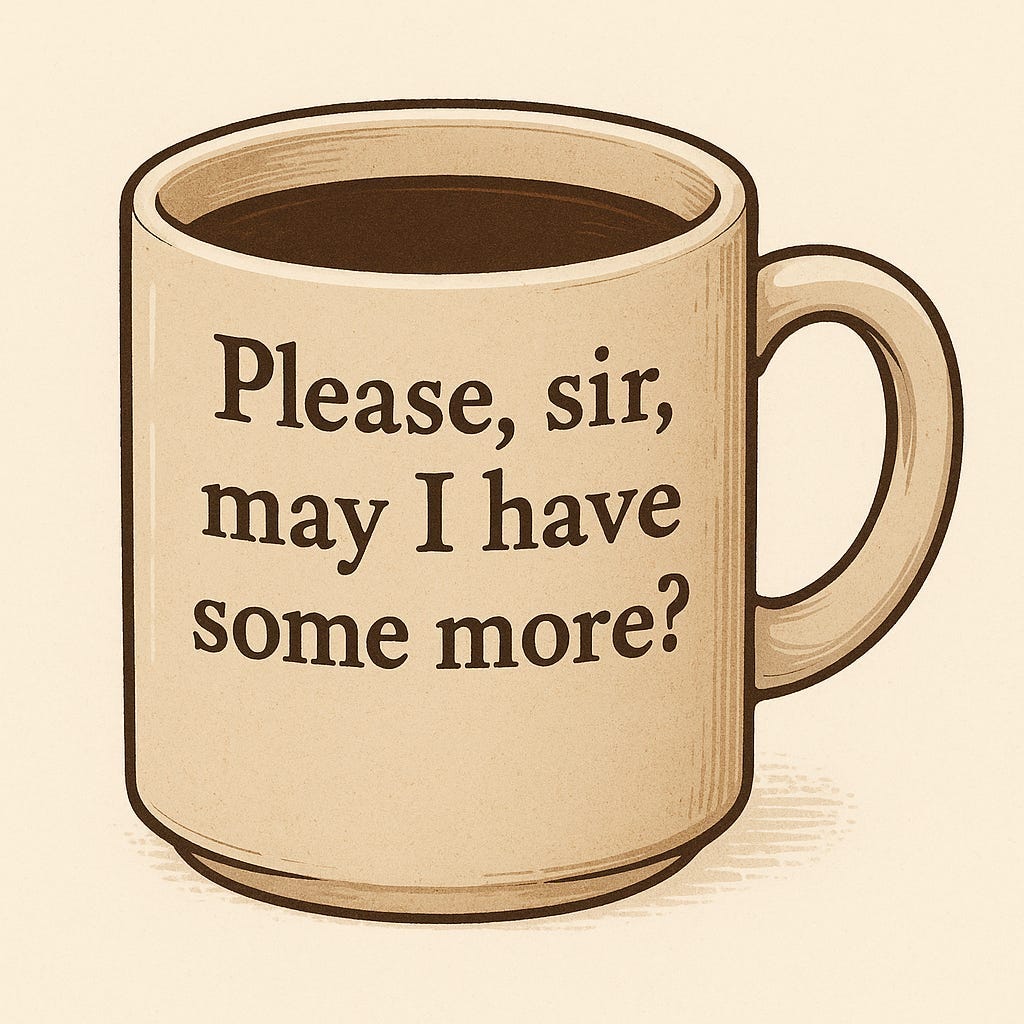
© 2025 Carol Countryman. All rights reserved.
This piece is part of Psalm of Lies and the ongoing series Tales from East Texas.
Please share the link, not the text. Reprints, excerpts, or readings by permission only: carolcountryman@gmail.com.
Shed a tear for Abe.
I could read your stories and tales everyday. I totally enjoy them and will share with everyone.